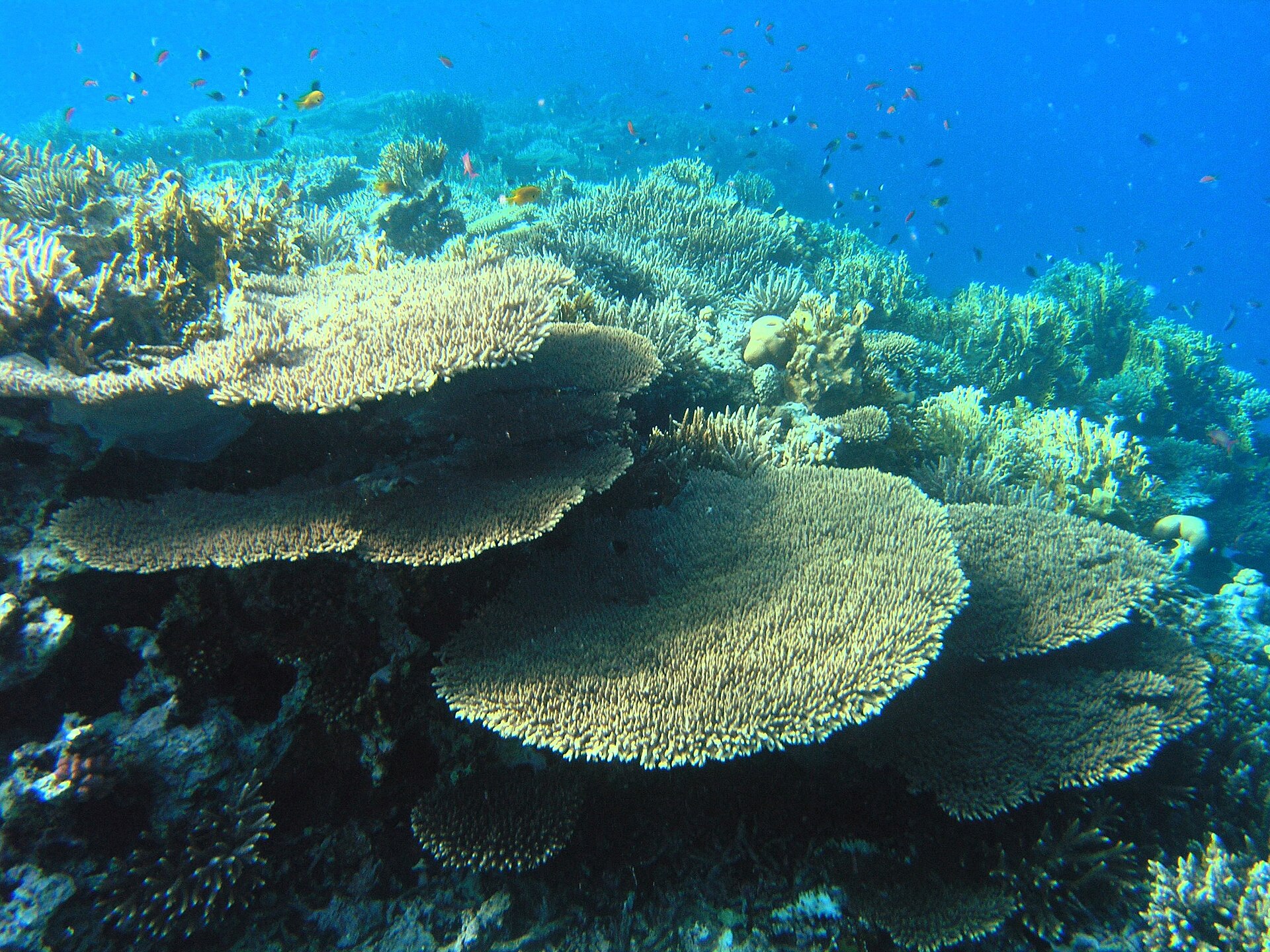
The UAE is one of the few places where you can dive two very different seas within a couple of hours' drive of each other. The Gulf of Oman side, off Fujairah on the east coast, gives you clearer water, coral pinnacles and reef life. The Arabian Gulf side, off Dubai, runs warmer and murkier but hides a surprising number of shipwrecks that have turned into artificial reefs. That contrast is exactly what makes diving here worthwhile, whether you have just tried scuba for the first time or you are already certified and chasing depth.
This guide runs through the sites most worth your time, and, just as importantly, which ones suit new divers versus those who need a certification card before they roll off the boat.
When to dive in the UAE
You can dive the UAE year-round, but conditions shift a lot with the season. Water temperatures on the Fujairah coast sit around 22-25°C in winter (roughly November to February) and climb to 29-32°C through the summer. The most comfortable window for visibility and sea state is generally October to May, when the water is cooler and clearer. July and August are hot, and visibility on both coasts tends to drop off.
Visibility here is realistic rather than tropical-postcard. At the reef sites you can typically expect somewhere between 5 and 15 metres, occasionally up to around 20 on a very good day. If you want a fuller breakdown of seasons, water temperature and marine life timing, see our companion seasons and conditions guides.
Dibba Rock: the best place to start
If you are new to diving, or bringing along someone who is, Dibba Rock is the obvious first stop. It sits just off Dibba on the Fujairah coast and holds a genuine distinction: it is the UAE's oldest marine protected area and has been a no-fishing zone for well over a decade. That protection shows. The reef around this small island is busy with life in a way few other UAE sites can match.
The numbers make it beginner-friendly. Maximum depth is only around 15-16 metres, and divers are usually dropped into shallow water of roughly 4-8 metres, so it sits comfortably inside the limits of an entry-level diver. On any given dive you might see green and hawksbill turtles, parrotfish, angelfish, moray eels, stingrays and, if you are lucky, a passing blacktip reef shark. It is also a rewarding snorkelling site, which makes it a good choice for mixed groups where not everyone dives.
Who it suits: complete beginners on a Discover Scuba experience, newly certified Open Water divers, and snorkellers.
Martini Rock: a step up in colour and depth
A short boat ride away, Martini Rock is one of the prettiest sites on the east coast. It is a submerged pinnacle system, roughly 160 metres long, wrapped in soft corals, including pink, purple and orange Dendronephthya, plus whip corals in green and blue. That colour is the draw.
Depths here run from about 12 metres down to 22, so the site works for a range of divers. The shallower reef is fine for confident Open Water divers, but the deeper sections around 22 metres sit near the edge of an entry-level diver's training and are better suited to those with an Advanced qualification. Marine life is generous: schools of fusiliers and snappers, cuttlefish over the sand, moray eels, scorpionfish, nudibranchs for the macro fans, and rays. Martini Rock is also one of the better UAE sites for a seasonal whale shark encounter, though as with everywhere, sightings are a matter of luck and never guaranteed.
Who it suits: Open Water divers on the shallower reef; Advanced divers to explore the full depth.
The wrecks: Inchcape and Zainab
Wrecks are where UAE diving gets genuinely exciting, and they are firmly in certified-diver territory.
Inchcape 1 (Fujairah)
The Inchcape 1 is a vessel deliberately scuttled in 2001 to create an artificial reef off the Fujairah coast. It sits upright and largely intact on a sandy bottom at around 30 metres, its structure now crusted with soft corals and sponges and patrolled by resident fish. Because the deck lies at recreational-limit depth, this is an Advanced Open Water dive: the PADI Open Water certification caps you at 18 metres, while Advanced Open Water extends your limit to 30. A PADI Advanced Open Water course is the natural qualification to open up the wrecks.
Zainab (Dubai / Arabian Gulf)
The Zainab lies on the other coast, off Dubai in the Arabian Gulf, about a 40-minute boat ride out. It is a former cargo ship deliberately sunk by its crew in 2001 to avoid being boarded by naval forces enforcing sanctions on Iraq. Today it rests at around 30 metres and has become a haven for schooling barracuda, snappers and batfish, with rays often resting on the seabed nearby. This one comes with a warning: the Zainab is known for strong currents, so it is an advanced dive best done with a guide who knows the site and the tides.
If you want to actually go inside a wreck rather than swim over it, that is a separate skill. The basic PADI Wreck Diver specialty teaches you to navigate a wreck's exterior and make limited penetrations within the natural-light zone. Proper penetration diving into the dark interior requires dedicated training and equipment and should never be improvised.
Who they suit: Advanced Open Water divers and above; Wreck Diver specialty holders for any interior work.
Musandam: the big day out
Just across the border in Oman, the Musandam Peninsula is the UAE region's most dramatic diving, reachable as a day or overnight trip from Dibba. Fjord-like cliffs plunge underwater into walls and boulder slopes, with sites such as Lima Rock dropping steeply past 60 metres. The water is plankton-rich, which feeds big schools of barracuda, jacks and tuna, and draws rays and, in season, whale sharks.
Two things to know before you go. First, you cross an international border, so bring your passport every time. Second, those channels create currents that make for excellent drift diving but demand experience; Musandam is not the place for your first dives after certification. Whale sharks here are seasonal, appearing mainly through the warmer months from around April to October and peaking April to July, and they remain a lucky encounter rather than a scheduled one.
Who it suits: confident Advanced divers comfortable with currents and drift diving.
Matching the site to your certification
The simplest way to plan is to work backwards from your card:
- No certification yet: Dibba Rock via a Discover Scuba experience, or snorkelling.
- PADI Open Water (max 18 m): Dibba Rock, and the shallower reef at Martini Rock.
- PADI Advanced Open Water (max 30 m): the full depth of Martini Rock, plus the Inchcape and Zainab wrecks, and most of Musandam.
- Wreck specialty: adds limited interior exploration on the wrecks.
If you are unsure which level a particular trip needs, or which course to book next, it is always worth asking before you commit. As a PADI Five Star Dive Resort, our team can point you to the right site for your experience and, where needed, the training that unlocks it. Get in touch and tell us what you have dived so far.
The UAE will never be the Red Sea, but it is honest, varied and closer than you think. Two coasts, protected reefs, real wrecks and a genuine chance of a whale shark: that is a lot of diving for one country.