Dubai is not the first place most travellers picture when they think about scuba diving, and that is exactly why it surprises people. Within a short drive of the city you have two genuinely different diving environments: the sheltered, shallow waters of the Arabian Gulf on the Palm Jumeirah side, and the clearer, reef-rich Gulf of Oman on the east coast around Fujairah. Whether you are a resident looking for a regular weekend habit or a visitor wanting to try diving for the first time, understanding the difference between these two coasts is the key to a good day underwater.
This guide walks through what the diving is actually like on each side, the conditions to expect through the year, the marine life you can realistically hope to see, and how to arrange a guided or boat dive.
Two coasts, two very different dives
The UAE sits on a peninsula, so "diving in Dubai" can mean two things depending on which body of water you head for.
The Palm Jumeirah and Dubai (Arabian Gulf) side
The waters off Dubai's coastline, including around Palm Jumeirah, sit in the Arabian Gulf (also called the Persian Gulf). These are calm, shallow and warm. Most sites here sit in the 6-18 metre range, with wrecks a little deeper, and the seabed tends to be sandy with patches of coral and man-made structures that act as artificial reefs.
Visibility is the trade-off. On the Gulf side it typically runs from around 5 to 15 metres and varies a lot with wind, boat traffic and plankton. That said, the sheltered, gentle conditions make this coast excellent for first-timers and for training. A nervous beginner who might struggle with waves or current elsewhere often feels far more comfortable here.
The Gulf side is also where Dubai's wreck diving lives. Vessels such as the deliberately sunk Sheikh Mohammed barge (roughly 18-23 metres) and offshore wrecks like the Zainab have become thriving artificial reefs, drawing in barracuda, snapper, rays and schooling fish. If you are staying in the city and want to dive without a long journey, this is the convenient option, with dive boats departing from local marinas.
The Fujairah and east coast (Gulf of Oman) side
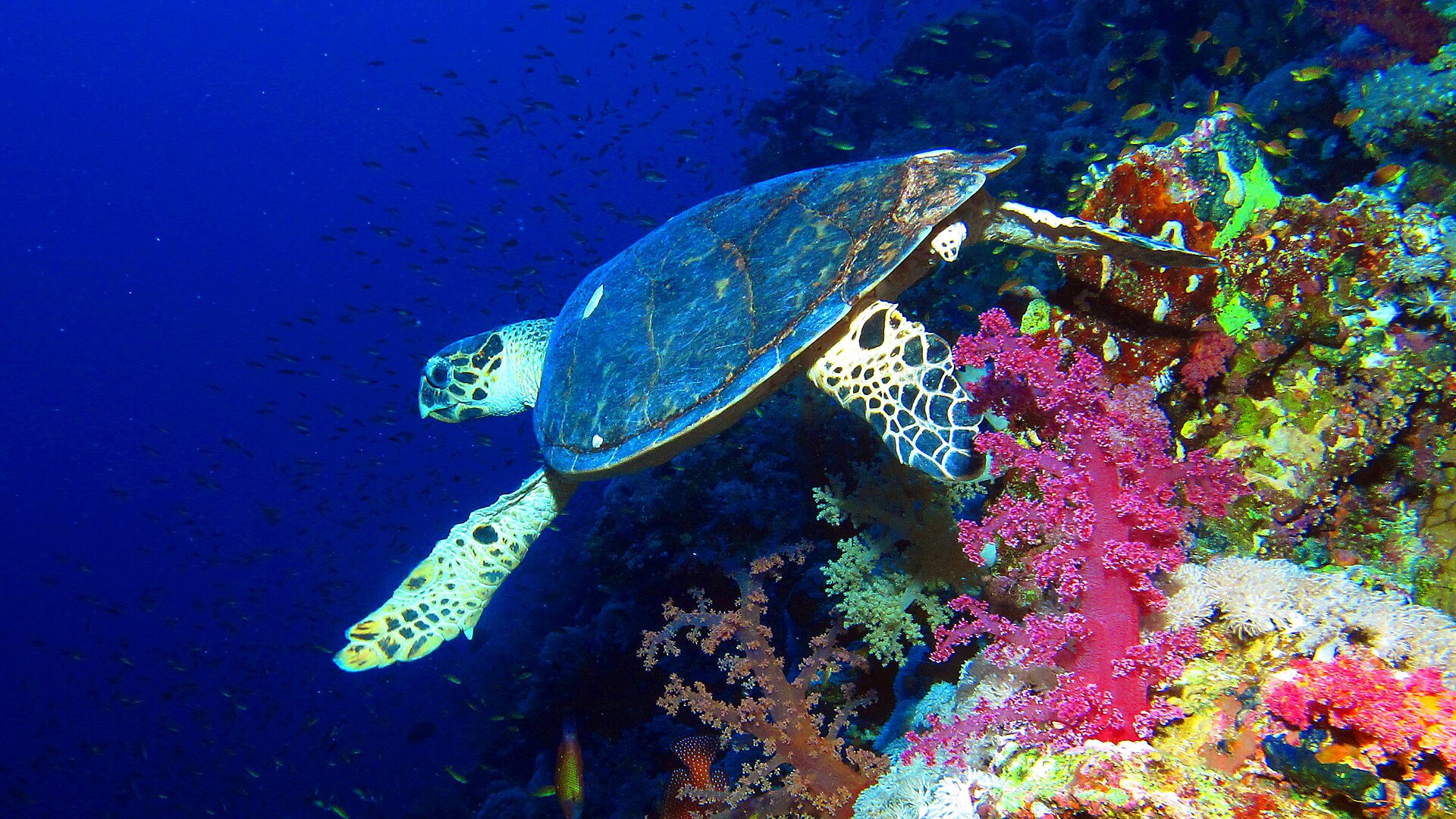
Cross to the east coast and you are in the Gulf of Oman, which opens onto the Indian Ocean. The water here is generally clearer, the reefs are natural rock formations rather than sand, and the marine life is noticeably richer. Divers regularly see turtles, reef fish, moray eels and healthy coral, with visibility that is usually better than the Gulf side, often in the 10-20 metre range on a good winter day, though it can drop sharply after wind or plankton blooms.
The catch is distance. Popular east-coast sites are a road trip from the city: Dibba Rock is roughly 1.5 hours from Dubai, while Snoopy Island near Al Aqah is around two hours. Other well-known spots include Martini Rock and Sharm Rock. Because of the drive, east-coast diving is usually done as a full-day trip, and many operators arrange transport as part of the package. It is the better choice if your priority is seeing more life and clearer water, and you do not mind an early start.
Water temperature and the best time to dive
One of Dubai's biggest selling points is that you can dive year-round in warm water. The Arabian Gulf is one of the warmest seas on Earth.
- Winter (December-February): water sits around 21-23°C, with February typically the coolest. A 3mm wetsuit is comfortable for most people, though some prefer 5mm on repeat dives.
- Spring and autumn: a pleasant 25-31°C.
- Summer (June-September): the Gulf climbs to 32-34°C, which is bath-warm. Many divers wear only a rash guard or shorty.
Counterintuitively, the coolest months are often the best for diving. From roughly October to May the water is comfortable, the air is bearable, and visibility on both coasts tends to be at its best. Peak summer is still divable, but visibility on the Gulf side can drop and the surface heat is intense, so early-morning dives make sense.
What you can actually see
It is worth setting realistic expectations. The Arabian Gulf is a harsh, hyper-saline environment, so the reefs are not Maldivian technicolour. What it lacks in coral spectacle it makes up for in surprisingly varied life.
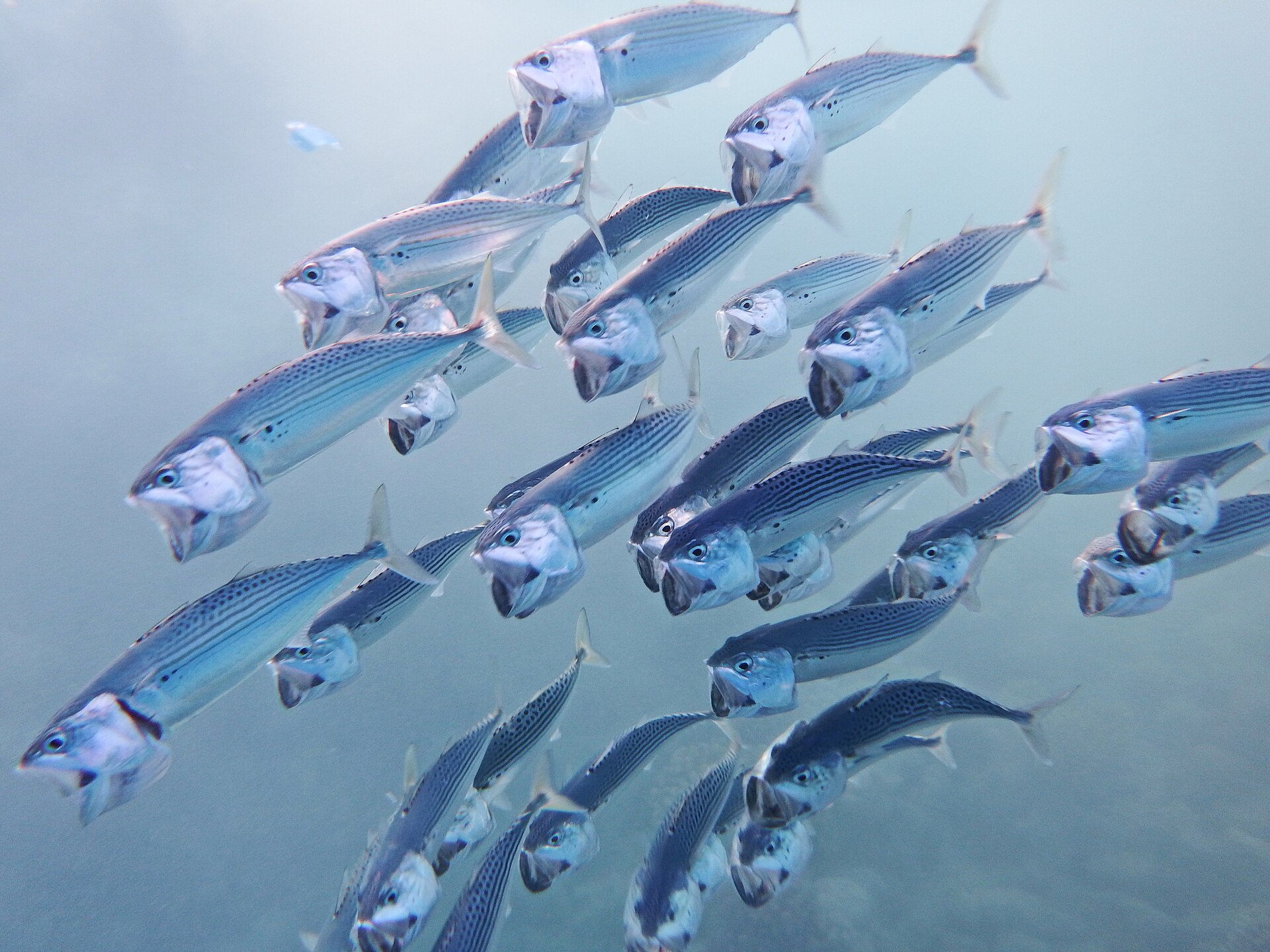
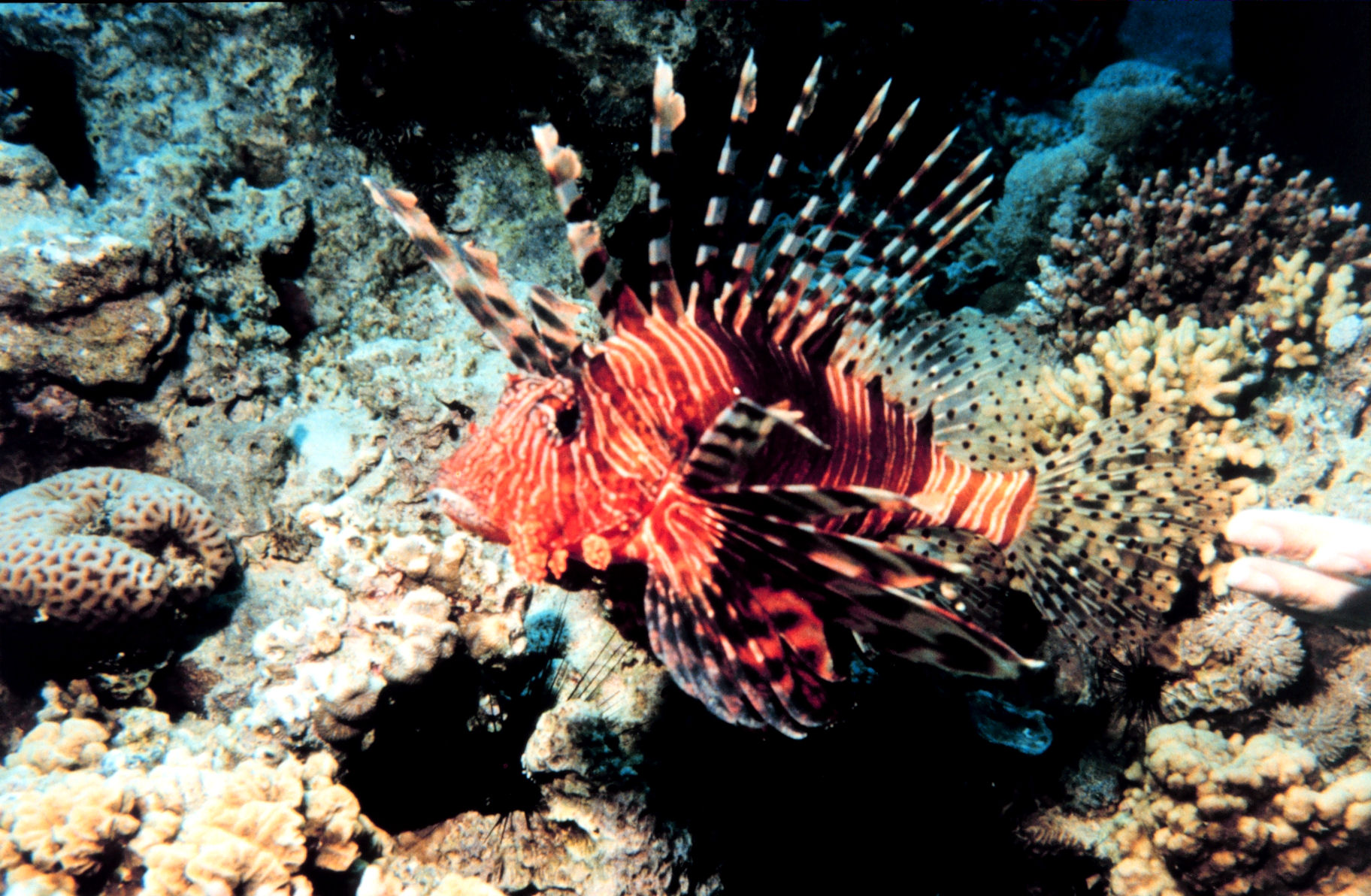
Across Dubai and the east coast you can encounter green and hawksbill turtles, stingrays and eagle rays, cuttlefish, seahorses, parrotfish, pufferfish, moray eels, and large schools of snapper and barracuda. Small reef sharks such as blacktips are present but shy. Whale sharks are the region's showstopper: they are seen off the UAE from time to time, usually in the warmer months and more often on the east coast, so treat any encounter as a lucky bonus rather than an expectation. The wider Gulf is home to several hundred fish species, so no two dives look quite the same.
Who it suits, and how to start
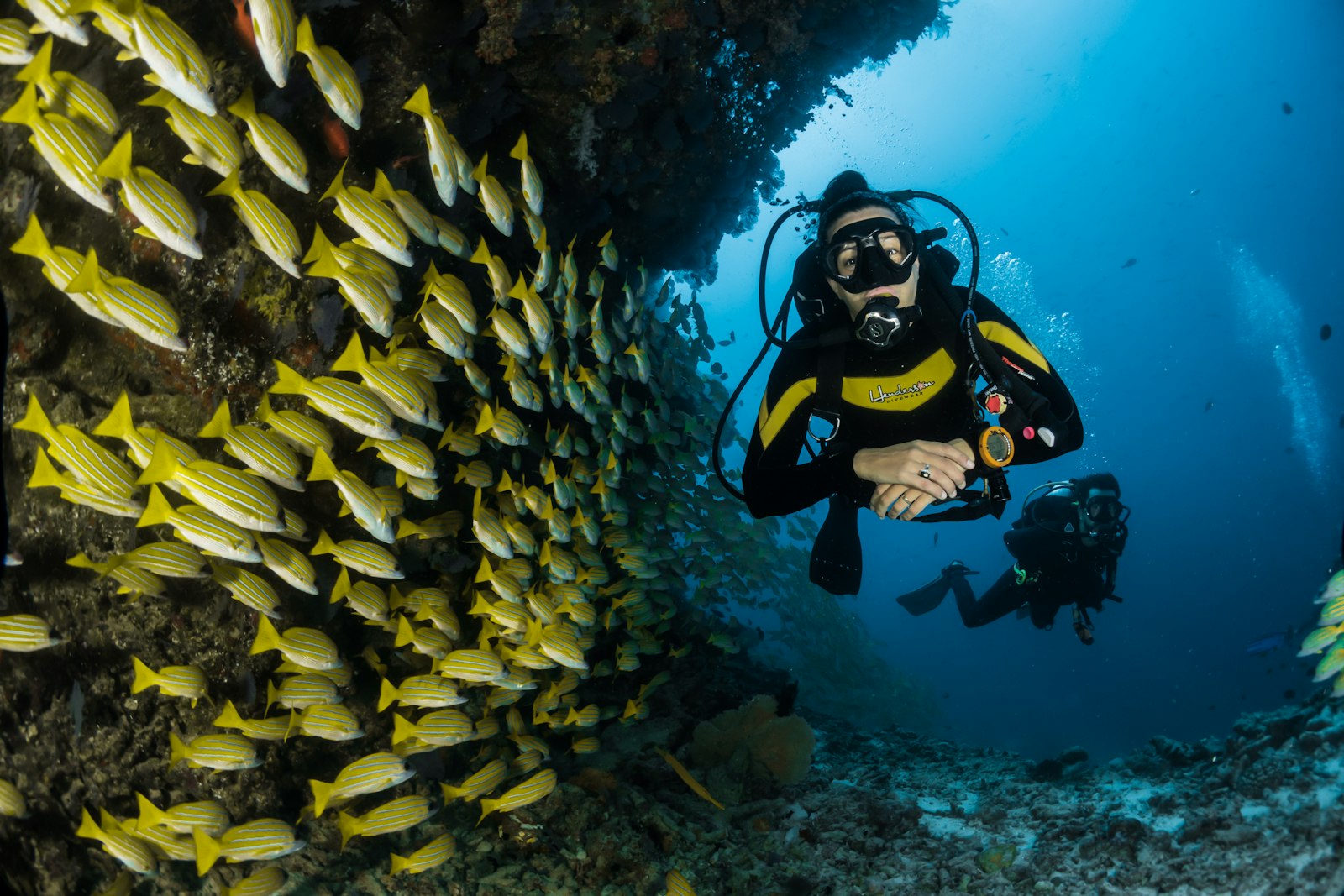
Dubai's calm Gulf waters make it one of the more forgiving places in the world to learn. If you have never breathed underwater, a PADI Discover Scuba Diving experience lets you try it under the direct supervision of a professional, with a maximum depth of 12 metres. The minimum age is 10, which makes it a genuine family option.
If you want a full, internationally recognised certification, the PADI Open Water Diver course is the standard entry qualification and also starts at age 10. Divers aged 10 to 14 earn a Junior Open Water certification with reduced depth limits, and those aged 10 and 11 must dive with a parent, guardian or PADI professional. Once certified, you can join guided fun dives and boat dives without an instructor at your side. If you are already qualified and want to go deeper, dive wrecks properly or improve your buoyancy, the Advanced Open Water and specialty courses are the natural next step.
Already certified but out of practice? Most centres offer a refresher or scuba review before you join a fun dive, which is well worth doing if it has been a year or more since your last dive.
Booking a guided or boat dive
For visitors and residents alike, the simplest approach is to dive with an established, professionally run centre rather than going it alone. A good operator provides the tanks, weights and guide, checks your certification and logbook, and knows the sites and conditions on the day.
Mermaid Diving Center's Dubai team is based at Rixos The Palm on Palm Jumeirah, which puts both the convenient Gulf-side dives and organised Fujairah day-trips within reach. Whether you want a first try, a certification course or a guided fun dive, the team can advise on what suits your experience and the season. You can get in touch to check availability and plan a dive.
A few safety and health notes
Diving in Dubai is straightforward, but a couple of universal rules still apply. Never dive if you feel unwell, and always dive within the limits of your training. Stay well hydrated: the heat and dry air make dehydration easy, and dehydration is a recognised risk factor for decompression sickness.
Crucially, plan your flight home carefully. The Divers Alert Network (DAN) recommends waiting a minimum of 12 hours after a single no-decompression dive before flying, and at least 18 hours after multiple dives in a day or over several days. Since most people fly in and out of Dubai, schedule your last dive at least a full day before your flight. If you have any medical condition, ear or sinus issues, or you are pregnant, speak to a doctor before diving.
Dubai offers an unusually accessible introduction to the underwater world: warm water almost every day of the year, calm sites for learning close to the city, and clearer reef diving a short drive away. Choose the coast that fits your goals, pick the cooler months if you can, and dive with a reputable, professional team.