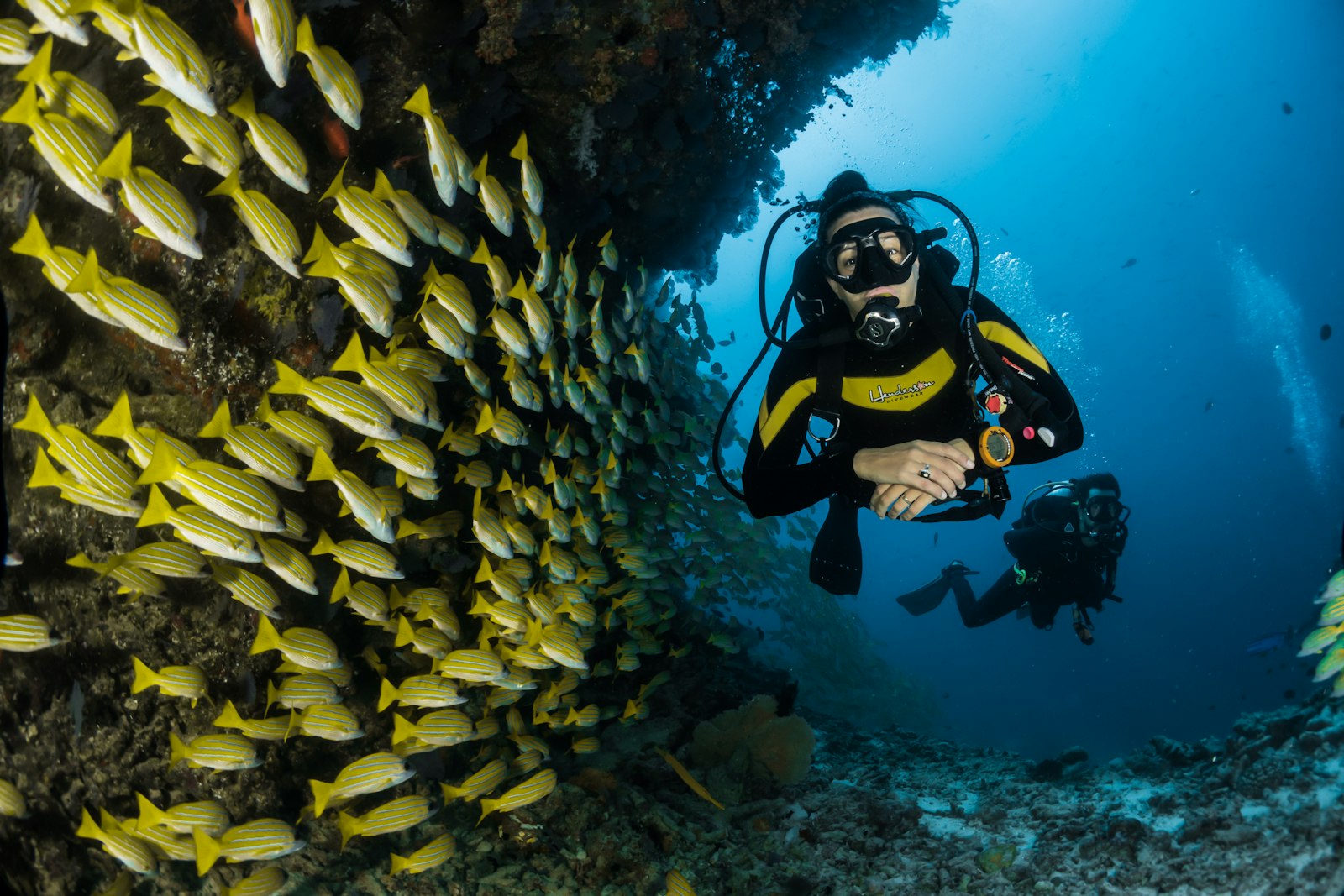
Breathing underwater for the first time is one of those experiences that sounds far more intimidating than it actually feels. If you've ever watched divers slip beneath the surface and thought "I could never do that" — this guide is for you. A first try-dive is designed precisely for people who have never worn a tank, aren't sure they're fit enough, and quietly worry they can't swim well enough to cope. The reassuring truth is that none of those worries need to stop you.
This is a practical, honest walk-through of what a first scuba experience — known in the diving world as Discover Scuba Diving — actually involves here in the UAE and Qatar. No jargon, no pressure, just what happens and how to prepare.
What a "Discover Scuba Diving" experience actually is
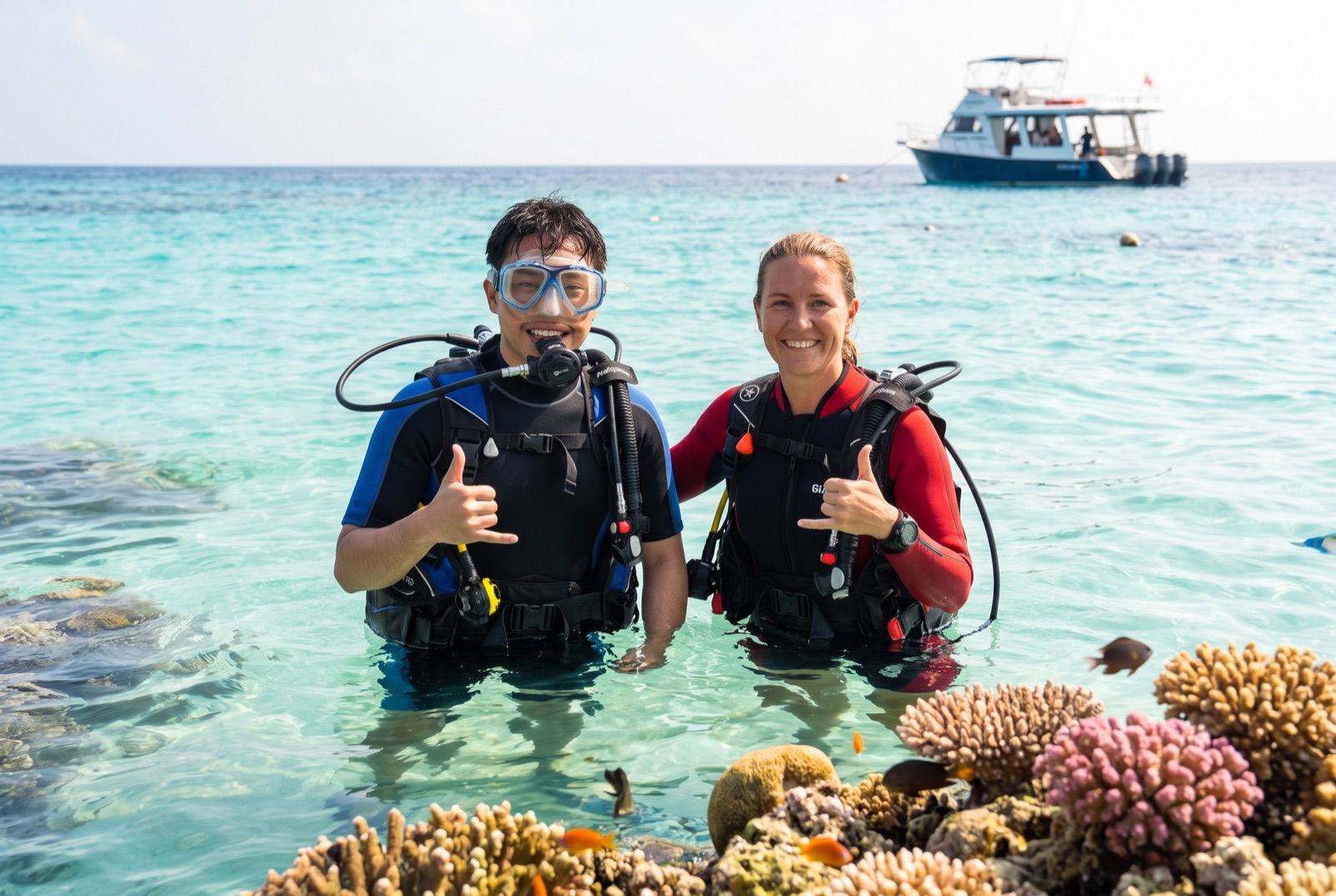
Discover Scuba Diving (DSD) is not a course and it does not end in a certification. It's a guided introduction that lets you try breathing underwater and diving under the direct supervision of a PADI professional. You don't sign up to anything long-term; you simply spend part of a day finding out whether diving is for you.
A PADI instructor first explains a few basics on land — how the equipment works, how to breathe, and a small number of safety skills. You then get into the water, practise those skills in a pool or in water with pool-like conditions where you can easily reach the surface, and, once you're comfortable, go for a real dive. According to PADI's official guidance, the experience takes place in a pool or in water with "pool-like conditions" — calm, clear and shallow — which is exactly why it suits absolute beginners.
Because it isn't a certification course, there's no exam and no pass-or-fail pressure. If you enjoy it and want to go further, the skills you practise can be credited toward the full PADI Open Water Diver course.
How you actually breathe underwater
This is the question almost everyone asks. You breathe through a regulator — a mouthpiece connected to the air cylinder on your back. You bite gently, seal your lips around it, and breathe normally through your mouth. That's genuinely it.
The air is ordinary compressed air, not oxygen or anything exotic. The golden rule your instructor will repeat is simple: never hold your breath — keep breathing slowly and continuously. Most people find the sound of their own breathing oddly calming within a minute or two. The equipment is engineered to deliver air on demand, so you're not fighting for every breath; you inhale and it's there.
Is it hard? Do you need to be fit or a strong swimmer?
Diving is far less physically demanding than people expect. Underwater you move slowly, and the gear that feels heavy on land becomes weightless once you're submerged. You are not swimming laps; you glide. That said, PADI does expect you to have an average level of fitness and to be in reasonable health.
On swimming ability, here's the honest position. PADI does not require you to be an excellent swimmer, but it does ask that you "feel comfortable in the water and be able to maintain yourself at the surface." So the confined, shallow setting of a try-dive genuinely welcomes nervous and hesitant swimmers — you'll never be out of your depth or beyond reach of help. What it isn't designed for is someone with no water confidence at all who cannot support themselves at the surface. If you can relax in a pool and stay afloat, you're ready.
You will also complete a short medical questionnaire beforehand. It asks about conditions such as heart or lung problems, asthma, recent surgery, or pregnancy. Many people tick "no" to everything and dive the same day. If anything applies, PADI requires a doctor's sign-off confirming you're fit to dive — a sensible safety step, not a barrier for most.
The depth and age rules, plainly stated
Two limits keep a first dive safe and simple:
- Maximum depth: The confined-water session stays within 6 metres (20 feet). If you go on to an optional open-water dive, the maximum is 12 metres (40 feet) — shallow, well-lit water where colour and marine life are at their best.
- Minimum age: You can try Discover Scuba Diving from age 10, with no upper age limit. Younger participants dive within shallower limits alongside an instructor. That makes a try-dive a genuinely family-friendly activity.
No certification is needed to join, and no prior experience is assumed.
What the water is like in the UAE and Qatar
One of the real privileges of learning here is the water itself — warm, calm and inviting for much of the year.
Water temperature
In Dubai and across the UAE, sea temperatures swing from around 22°C in mid-winter (January) up to about 33°C at the height of summer (July to September). Qatar's Gulf waters are similar, ranging from roughly 20°C in winter to the low-to-mid 30s°C in peak summer. For a first-timer this means you're rarely cold; a wetsuit keeps you comfortable in the cooler months and only a thin suit is needed in summer.
The best time to dive and visibility
The most pleasant, clearest conditions in the UAE run from roughly October to May, when the water is comfortably warm and visibility is at its best. Qatar follows a comparable pattern, with November to April giving the calmest, easiest conditions. Summer is still divable — the water is bath-warm — but visibility can drop and the surface heat is intense.
What you'll actually see
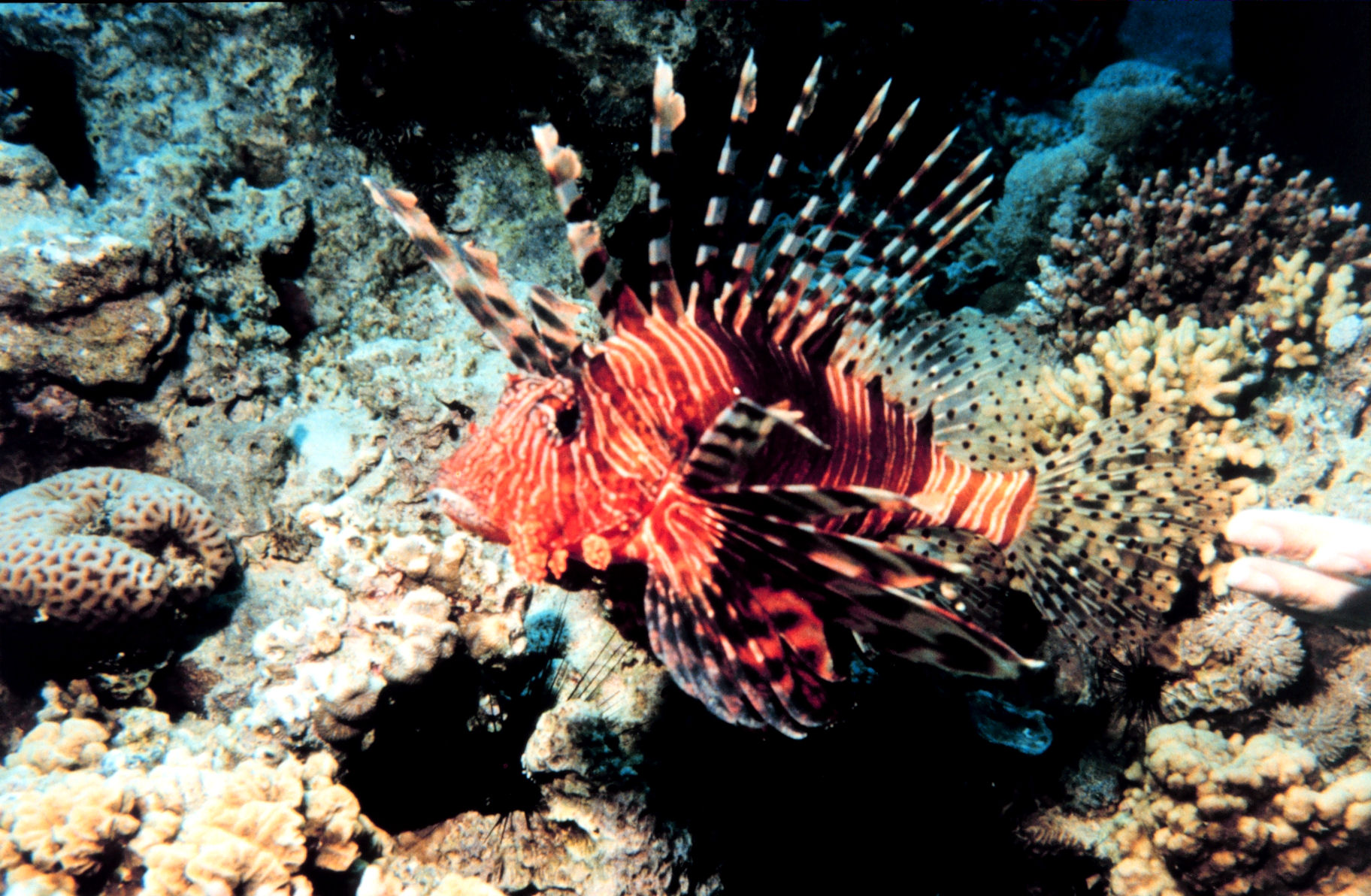
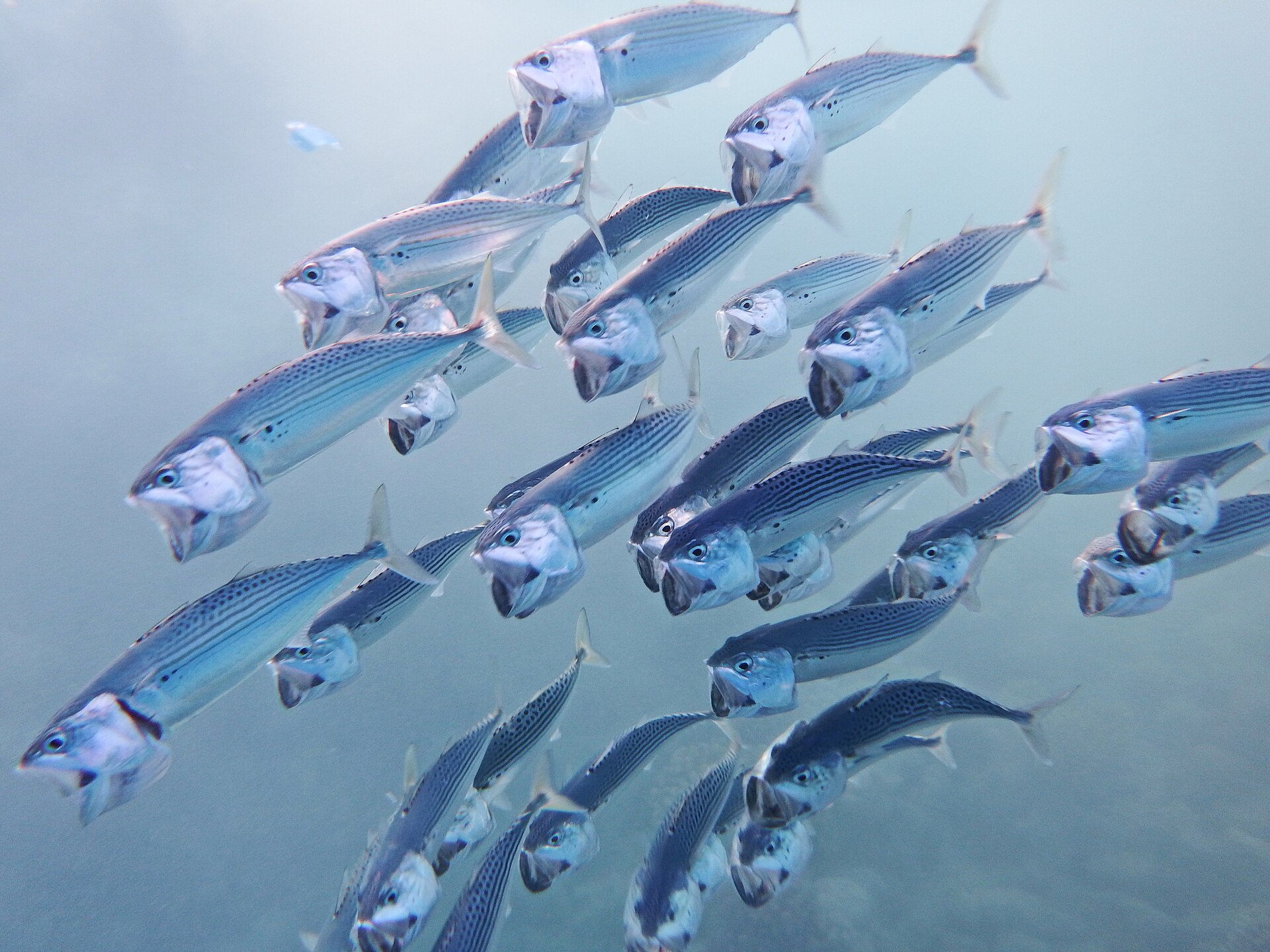
The Arabian Gulf is often underestimated, but its shallow reefs are full of life. On a typical shallow dive you might spot green sea turtles (and, if you're lucky, the less common hawksbill), plus rays, moray eels, cuttlefish, and a colourful cast of reef fish — parrotfish, angelfish, groupers and pufferfish among them. The UAE's waters are home to roughly 500 fish species.
Qatar has one extraordinary seasonal draw: between roughly April and September, one of the world's largest aggregations of whale sharks gathers offshore, where more than 600 individuals have been catalogued over years of research. These gentle giants are typically seen on specialist offshore trips rather than a beginner's first dive, but they're a compelling reason to keep diving once you've caught the bug. For more on seasonal marine life, see our other beginner guides.
How to book your first session
If you're ready to try, the process is refreshingly simple: choose a date, complete the short medical form, and turn up. Mermaid Diving Center runs Discover Scuba Diving experiences with PADI professionals from bases in Dubai and in Qatar.
You can see the full range of beginner options — including the try-dive and the Open Water course it leads into — on the courses page. To ask questions or reserve a slot, just get in touch with the team, who can advise on the best time and location for your first dive.
Most people surface from that first breath underwater grinning. There's really only one way to find out if you're one of them.