Standing on a beach in Dubai, or looking out over the Arabian Gulf from Lusail, it is easy to feel the pull of what lies beneath the surface. But if you have never done it before, one question tends to stall the plan: should you snorkel, or should you scuba dive? They sound similar, and both can put you face to face with the same turtles and reefs. In practice they are quite different experiences, with different demands on your body, your budget and your comfort in the water.
This guide walks through the real differences, honestly, so you can choose the right first step, whether you are a curious traveller, a resident who has always meant to try, or a family weighing up what is suitable for the kids.
The core difference: surface versus depth
The simplest way to understand it is this: snorkelling keeps you at the surface, and scuba diving takes you underwater.
When you snorkel, you float face-down on top of the water, breathing through a tube while a mask lets you look down at the world below. You can hold your breath and duck a metre or two if you want to, but your natural home is the surface. You need no tank and no formal qualification. Recreational snorkelling requires no licence or certification; there is no mandatory course by law.
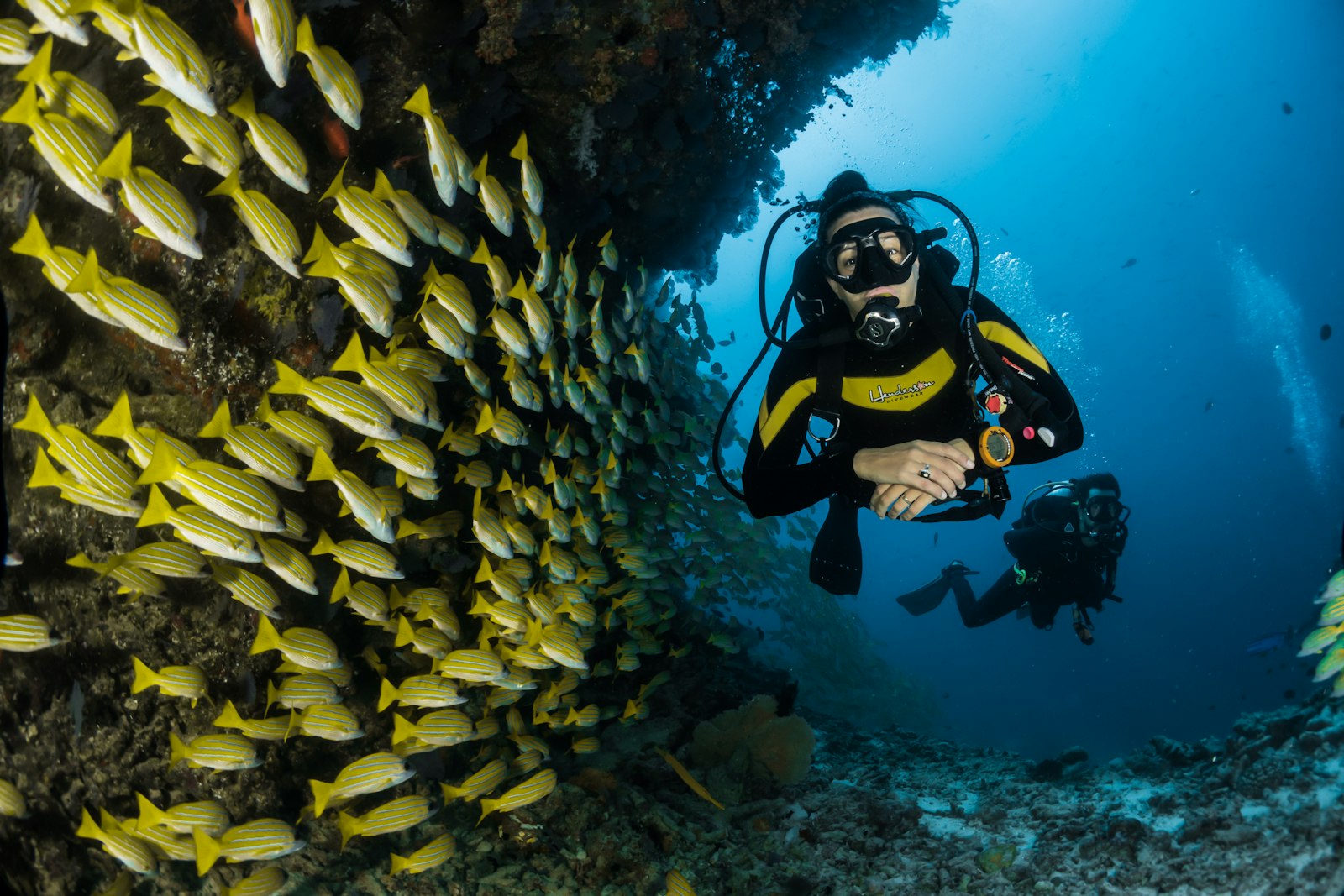
Scuba diving is a fundamentally different activity. You carry a cylinder of compressed air and breathe continuously underwater, which lets you stay down for a proper length of time. A first-timer's introductory dive, called PADI Discover Scuba Diving, lets you experience this to a maximum depth of 12 metres (40 feet) on the open-water portion, under the direct supervision of a professional. It is an experience, not a certification, but it does have real prerequisites.
Training and eligibility
This is where the two diverge most.
- Snorkelling has no formal training requirement. That said, you should be genuinely comfortable in water: the main danger in snorkelling is drowning, and being relaxed, able to float and free of panic matters far more than any certificate. Non-swimmers can snorkel with a guide, a buoyancy aid and shallow, calm conditions, but it should never be treated as risk-free.
- Scuba diving, even the introductory Discover Scuba experience, requires you to be at least 10 years old and to complete a diver medical questionnaire beforehand. If you answer yes to any of the health questions on that form (covering things like heart conditions, asthma or recent surgery), you will need a doctor's sign-off before diving. A yes does not automatically rule you out; it simply means a physician should confirm you are fit to dive.
Neither is inherently "better." They answer different questions about how far you want to step out of your comfort zone on day one.
Cost, time and effort
Snorkelling is the lighter commitment on every axis. Gear is minimal, you can be in the water within minutes, and there is no theory to absorb. It suits a spare hour, young children, nervous first-timers, and anyone who simply wants to look rather than descend.
A Discover Scuba session asks more of you: a safety and skills briefing, a health check, time to get comfortable breathing underwater in shallow water, and then the dive itself. It typically takes a good part of a morning or afternoon. Prices vary by operator, location and whether you dive from shore or boat, so it is best to contact the centre for current options rather than rely on a figure you read online.
What you will actually see
Here is the reassuring part for anyone worried that staying at the surface means missing out: in the Arabian Gulf, snorkellers and divers often share the same headline sightings.
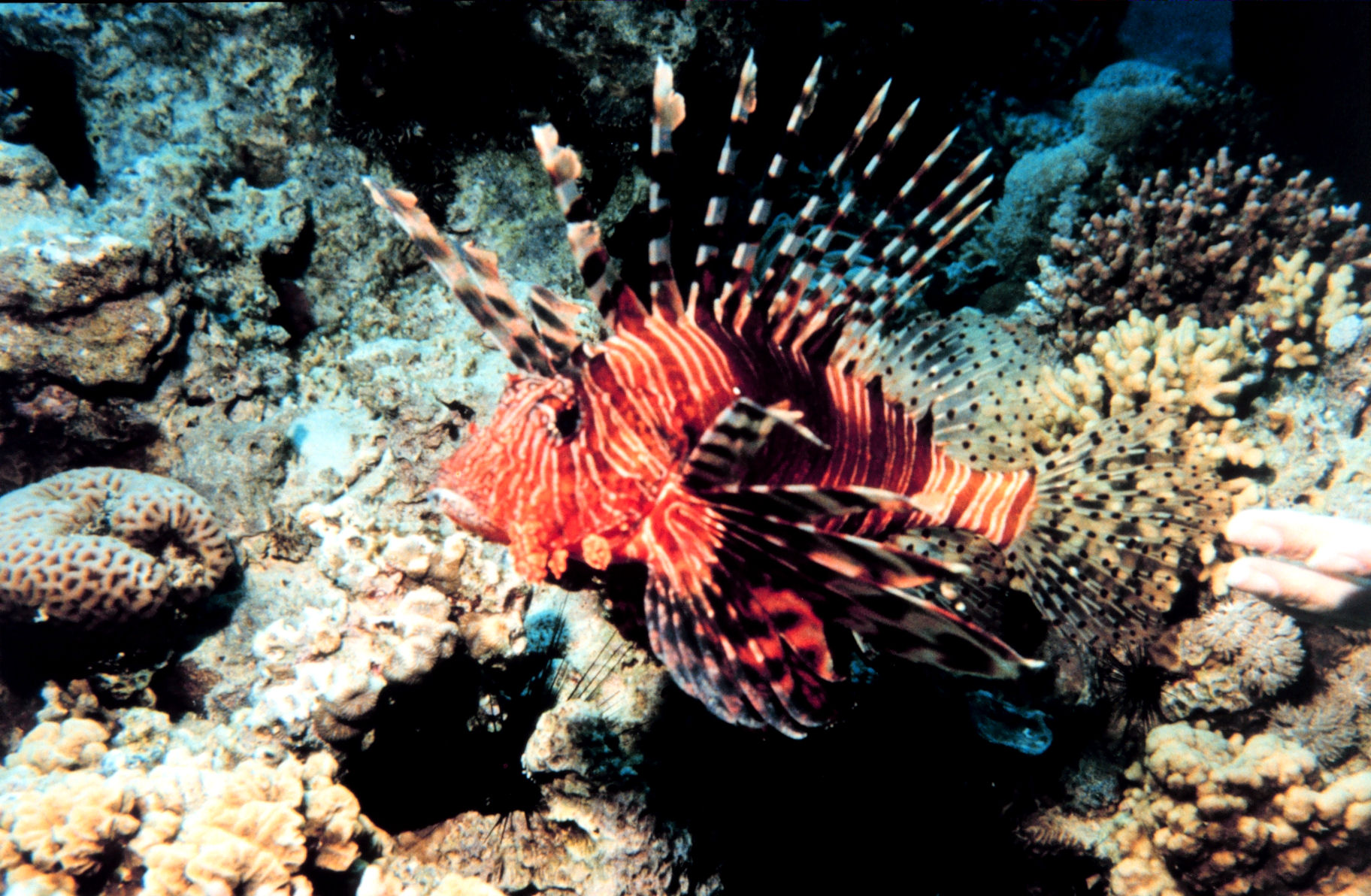
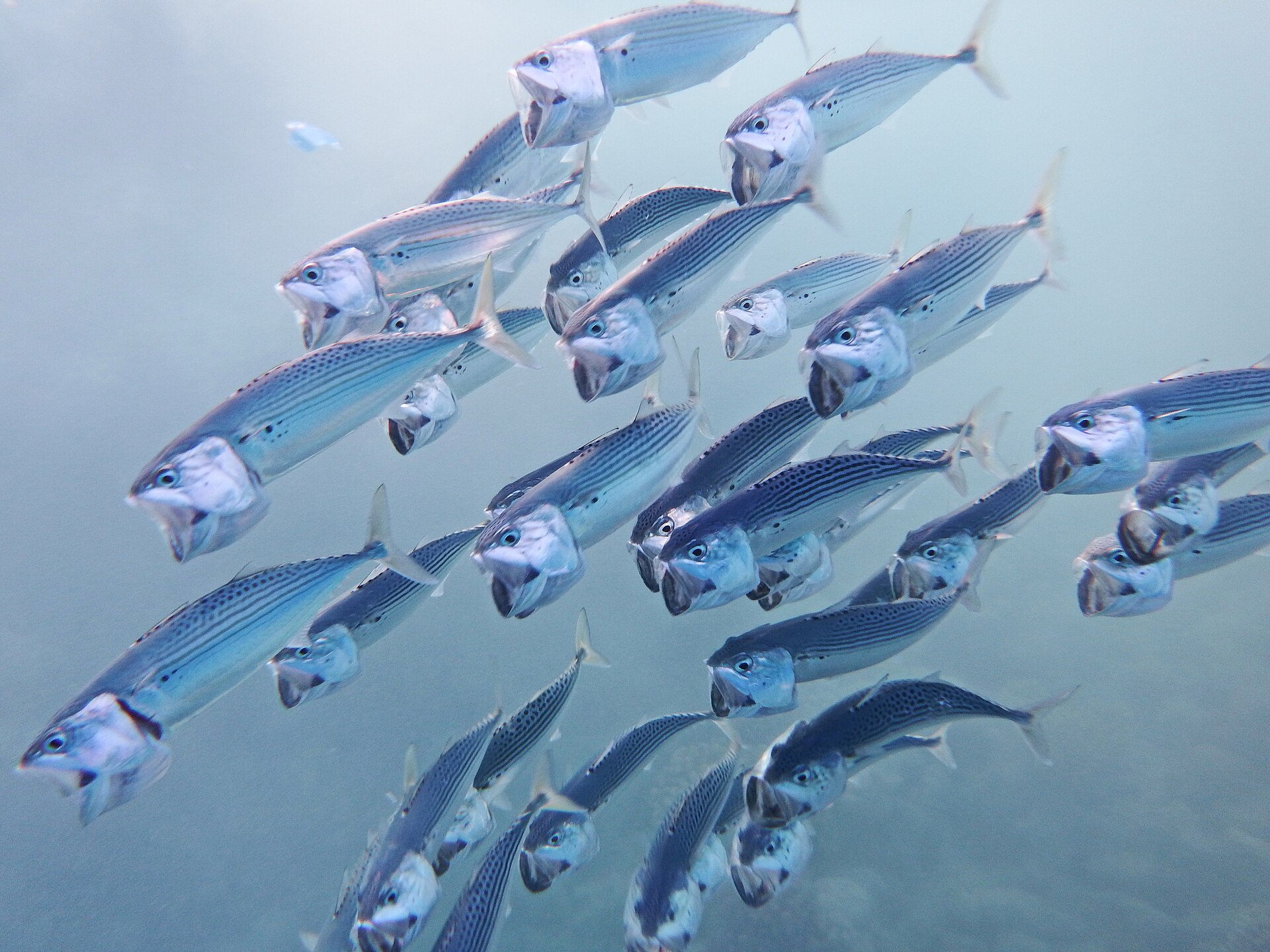
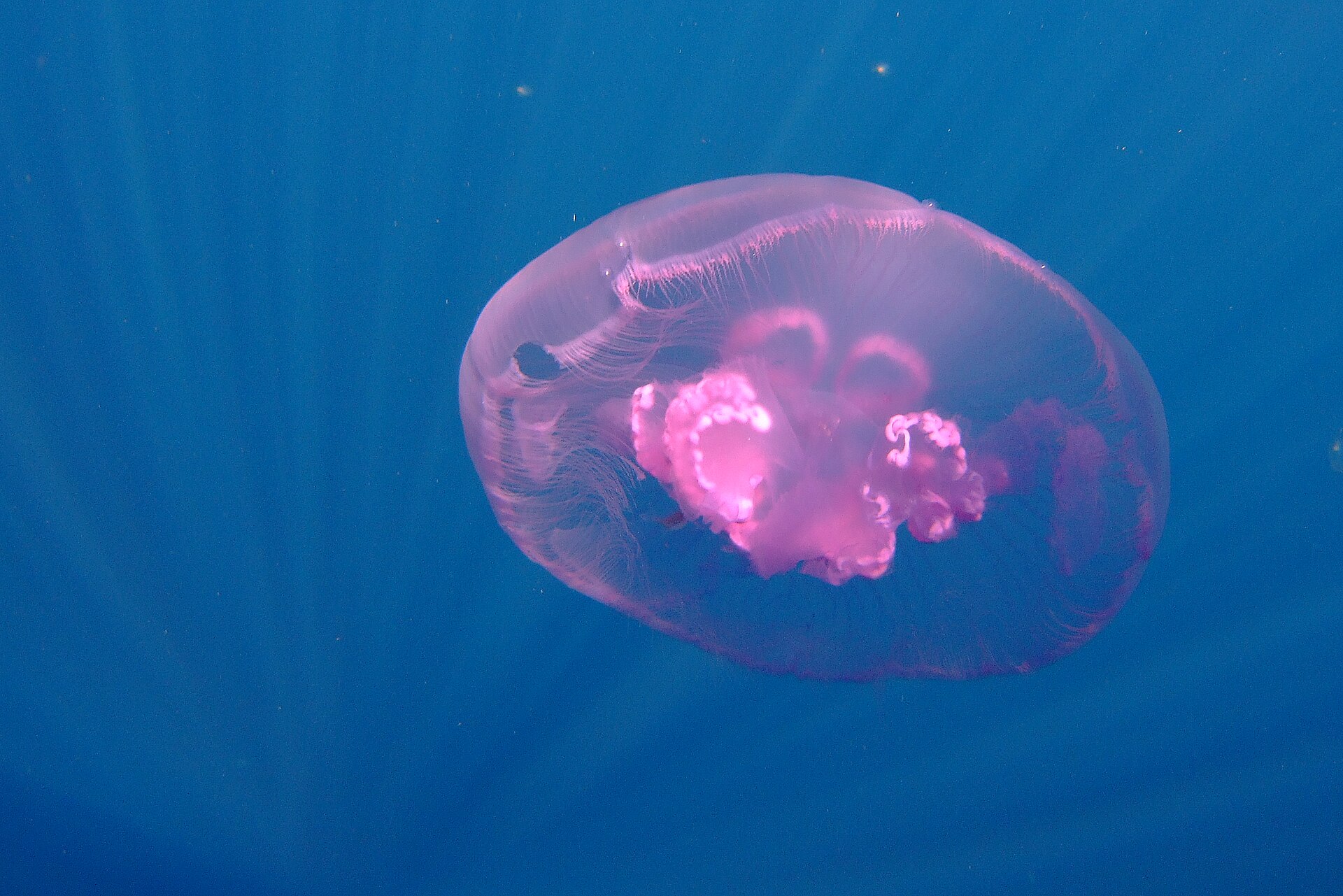
The Gulf is home to green turtles and the critically endangered hawksbill turtle, both of which are present year-round and often in shallow, snorkel-friendly water over reefs and seagrass. Add to that hundreds of species of fish, several types of ray, moray eels, cuttlefish and octopus, and colourful hard and soft corals. Many of these live in the top few metres, well within reach of a snorkeller.
What scuba diving adds is time and access. Breathing underwater lets you hover quietly beside a reef for far longer than a breath-hold allows, reach deeper structures and wrecks, and observe shy animals that a splashing surface swimmer would spook. Rays such as spotted eagle rays and cownose rays, and larger schools of fish, are more reliably enjoyed with the patience that a tank affords.
A note on the region's showpiece species
Two of the Gulf's most famous animals are worth mentioning honestly, because they set expectations. Qatar hosts one of the world's largest gatherings of whale sharks, but this happens seasonally (roughly April to September, peaking May to August) at the Al Shaheen oil field around 90 km offshore, not on a casual beach snorkel. The Gulf also holds the world's second-largest dugong population, concentrated in Qatar's shallow, seagrass-rich north-western waters, but these gentle sea cows are typically encountered on dedicated boat trips, not guaranteed on any given outing. Treat both as a bucket-list bonus rather than a promise.
Water temperature and the best time to go
The Gulf is one of the warmest seas on Earth, which is good news for beginners who dislike being cold.
- Dubai (UAE): water ranges from roughly 22°C at its coolest, around January and February, to 33–34°C at the height of summer. The prime window is October to May, when temperatures sit in a comfortable band and visibility is generally at its best. Summer diving is possible but brings very warm water and often reduced visibility.
- Qatar (Lusail/Doha): slightly cooler in winter, dipping to around 19–20°C in February, and climbing to about 33–34°C in August. The most comfortable conditions again fall across the cooler autumn-through-spring months.
Visibility in the Gulf varies with weather, tides and nearby construction or dredging. On good days at offshore sites it can be excellent, while inshore sites can be greener and murkier. For a relaxed first experience, aim for the cooler, clearer season if your travel dates allow.
When snorkelling is the smarter first step
Snorkelling is often the wiser opening move if:
- You have young children (under 10, who cannot yet do Discover Scuba).
- You or someone in your group is anxious about the water and wants to build confidence gently.
- You have a health condition that needs a doctor's clearance before diving.
- You have only a short window of time, or simply want a low-commitment taste of the marine life.
The beauty of starting here is that it is not a dead end. Getting comfortable floating, breathing through a snorkel and putting your face in the water removes most of the nerves people carry into their first dive. Many people snorkel first, realise they want to stay down longer, and step naturally into a Discover Scuba try-dive soon after.
When to go straight to a try-dive
If you are already at ease in water, are 10 or older, and the thing pulling at you is the idea of actually breathing underwater and hovering weightless beside a reef, there is no reason to wait. A supervised Discover Scuba Diving session is designed precisely for people who have never dived, and it is the standard gateway to the full PADI Open Water course if you catch the bug.
The honest bottom line
Snorkelling and scuba diving are not rivals; they are two rungs on the same ladder. Snorkelling is the gentle, no-barrier way to meet the Gulf's turtles and reefs at the surface. Scuba diving trades a little more preparation for depth, time and access to the quieter corners of the reef. For undecided families and first-timers, the low-risk path is often to snorkel first and let curiosity decide whether you want to go deeper.
Whichever you lean towards, the friendliest next step is to talk it through with people who dive these waters daily. Get in touch with the Mermaid Diving Center team in Dubai or Lusail, describe your group and your comfort level, and let them steer you to the right first adventure.