One of the most common questions we hear from first-time divers in Dubai and Qatar is refreshingly simple: "What do I actually need to wear and bring?" It is a fair question. Most diving advice online is written for cold, temperate seas, all thick wetsuits, hoods and gloves, none of which reflects what it is like to dive the Arabian Gulf. The Gulf is one of the warmest dive environments on the planet, and that changes almost every gear decision you make.
This guide covers exposure protection by season, what a dive centre provides versus what is genuinely worth owning, and a sensible packing list for a boat dive. No jargon and no upselling, just what works in these waters.
Do you need a wetsuit in the UAE?
The short answer: usually something, but rarely much. The Arabian Gulf is shallow and sun-warmed, so sea temperatures swing widely across the year. In winter (roughly December to February) the water sits around 20 to 23 degrees Celsius. Through summer it climbs steadily, reaching about 32 to 33 degrees Celsius from July through September. The most comfortable diving window runs from around April to October, when the sea stays above 25 degrees and visibility tends to improve.
Because the water is so warm, standard warm-water exposure guidance applies: for water in the 25 to 30 degree range, a 3mm suit or thinner is plenty, and above roughly 30 degrees many divers are comfortable in just a dive skin or rash guard. Here is a practical seasonal breakdown for the Gulf.
Peak summer (June to September, roughly 30 to 33 degrees)
The water is bath-warm. A lot of divers here wear only a rash guard or a thin lycra dive skin, mainly for sun protection on the surface and to guard against stings and grazes rather than for warmth. Some skip a suit entirely on a single shallow dive. If you feel the cold easily or you are doing repetitive dives, a 3mm shorty is a comfortable middle ground.
Shoulder seasons (April to May, October to November, roughly 25 to 29 degrees)
This is where a 3mm suit earns its place, either a shorty (short arms and legs) if you run warm, or a full 3mm if you chill easily or plan several dives in a day. It is the most versatile choice for these waters and what many Gulf divers own if they buy a single suit.
Winter (December to February, roughly 20 to 23 degrees)
The Gulf's coolest months feel surprisingly brisk underwater once you have been down for a while. A full 3mm is the sensible minimum, and cold-prone divers often step up to a 5mm full suit. Multiple dives amplify the chill because you lose heat on each descent, so err on the warmer side in winter.
One honest caveat: everyone's internal thermostat is different. Body composition, age and how many dives you are doing all shift the calculation, so treat these as starting points, not rules. If you are unsure what to wear on the day, contact the centre and we will match the exposure protection to the season and the specific site.
What the dive centre provides versus what to own
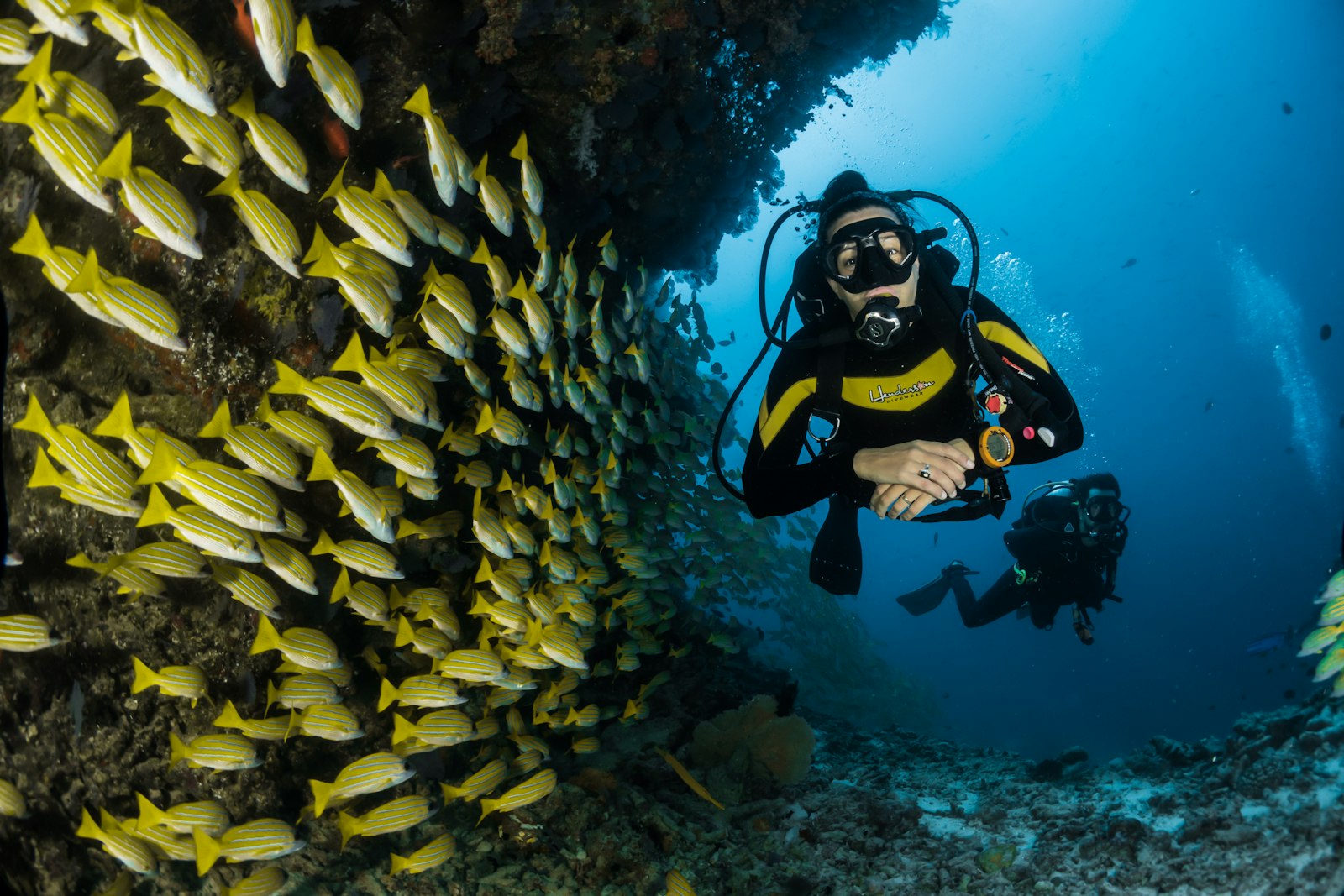
A well-run dive operation provides a full kit for guided dives and courses. As a PADI Five Star Dive Resort, we supply the bulky, expensive, safety-critical equipment: the buoyancy control device (BCD), regulator, tank, weights, and a suitable wetsuit for the conditions. During a PADI Discover Scuba Diving experience, where beginners take their first breaths underwater and can descend to a maximum depth of 12 metres on the optional open-water dive, all the scuba gear is included and an instructor stays at your side throughout. You do not need to buy anything to try diving or to learn.
That said, three items are worth owning early because fit is personal and comfort genuinely affects your dive.
1. Your mask (the one thing worth buying first)
A mask is the single most worthwhile purchase for any diver. Faces vary enormously, and a mask that seals well on one person leaks constantly on another. A leaking mask is the most common thing that turns a lovely first dive into a frustrating one. Buying your own means you always dive with a mask you know fits and does not fog. When you try one in a shop, place it on your face without the strap and gently inhale through your nose; a good fit stays put on its own.
2. Fins
Fins are a close second. Well-fitting fins make finning efficient and reduce leg fatigue and cramp. If you are travelling light, at minimum bring your own mask and rent fins locally. If you dive more than a handful of times a year, your own fins quickly pay for themselves in comfort.
3. Boots and a rash guard
If you choose open-heel fins, neoprene boots protect your feet and improve fit, and they are cheap and easy to pack. A rash guard is inexpensive, doubles as sun protection and a light thermal layer, and is arguably the most useful single garment for warm Gulf diving.
Beyond that, a personal dive computer is a great longer-term investment once you are certified and diving regularly, but it is not something a beginner needs to rush into. Rental gear from a reputable centre is well maintained and perfectly good while you build up your own kit. Renting also lets you try different equipment before committing, which is exactly what you want early on. To arrange rental gear for a fun dive, just get in touch.
What to pack for a boat dive
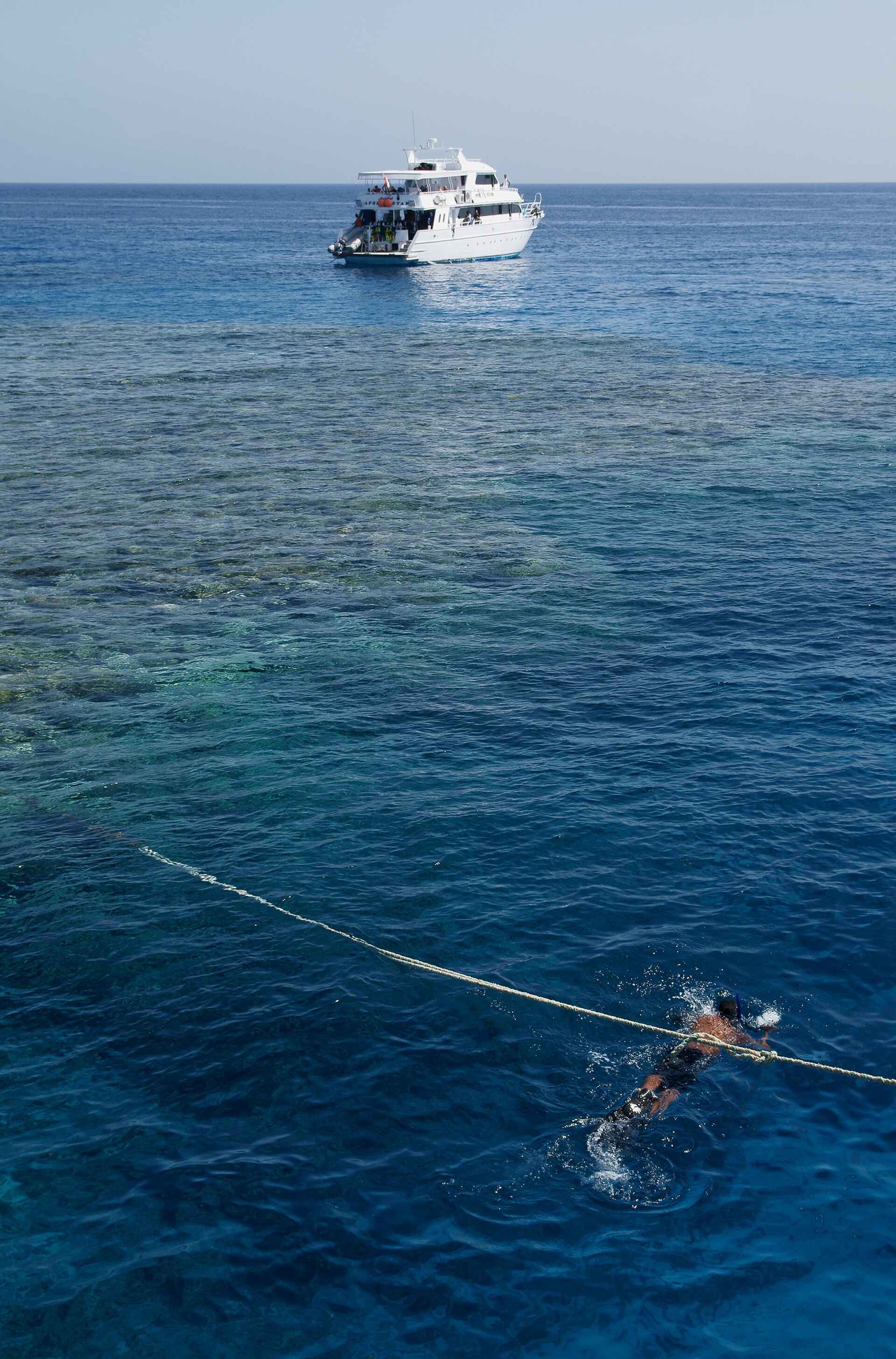
Most of the best sites in Dubai and Qatar are reached by boat, and a boat day has its own rhythm. Beyond your dive kit (which the centre can provide), a few personal items make the day far more comfortable.
- Reef-safe sunscreen and a hat. You will spend real time on deck under strong Gulf sun between dives. Choose a reef-safe formula to avoid harming the marine life you have come to see.
- A dry towel and a change of clothes. Drying off between dives helps you stay warm and comfortable, and boats do not always carry spare towels.
- Water and a snack. Diving is more physical than it looks and staying hydrated matters in this climate. A carbohydrate snack between dives keeps your energy up.
- Non-drowsy motion-sickness medication if you are prone to seasickness. Take it before you board, not after you feel unwell, and choose a non-drowsy type.
- A light layer for the ride. Wind on a moving boat can feel cool even here, especially when you are wet.
Pack light and stick to what you will actually use, because deck space is limited and shared.
What you will actually see down there
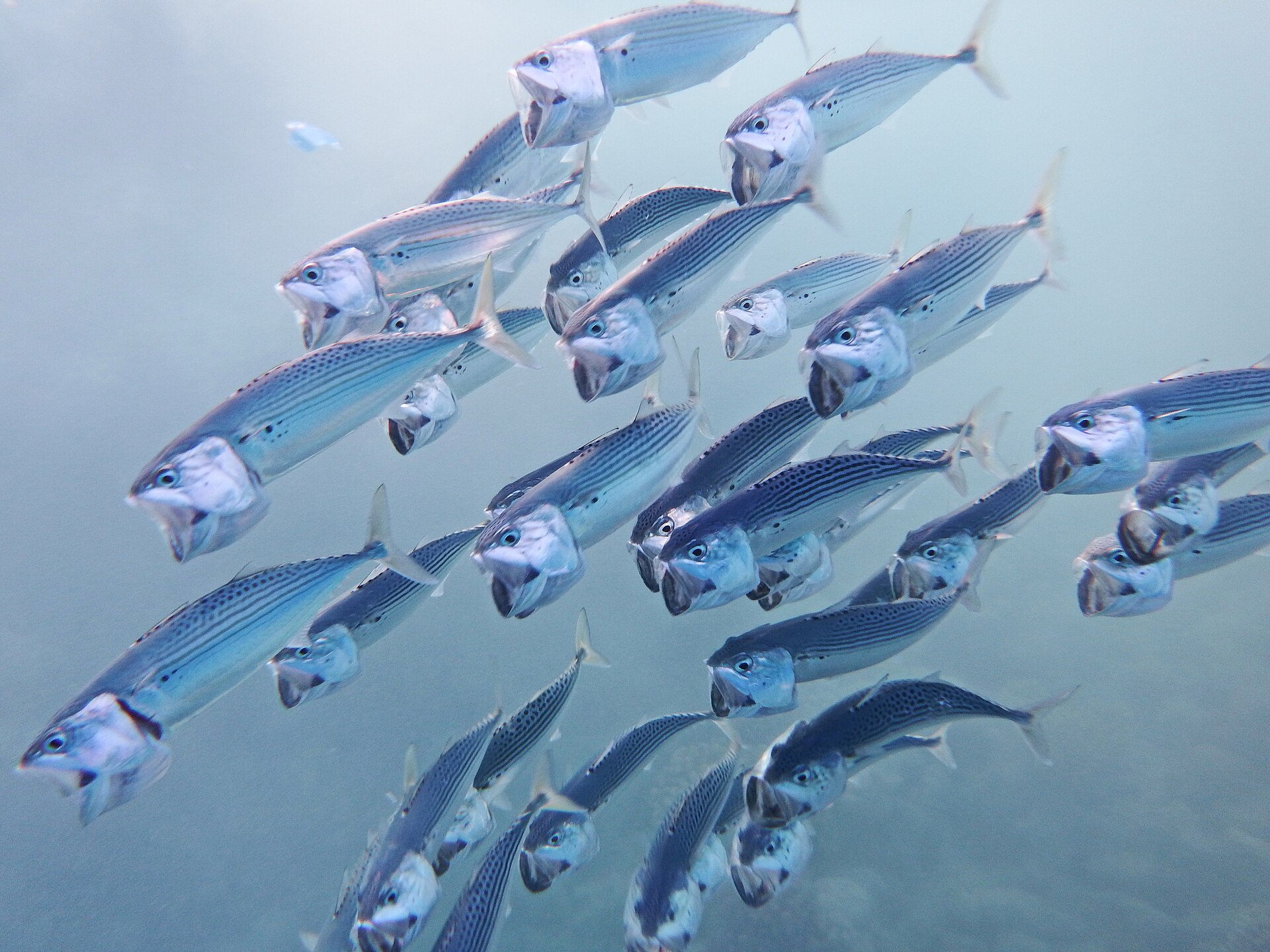
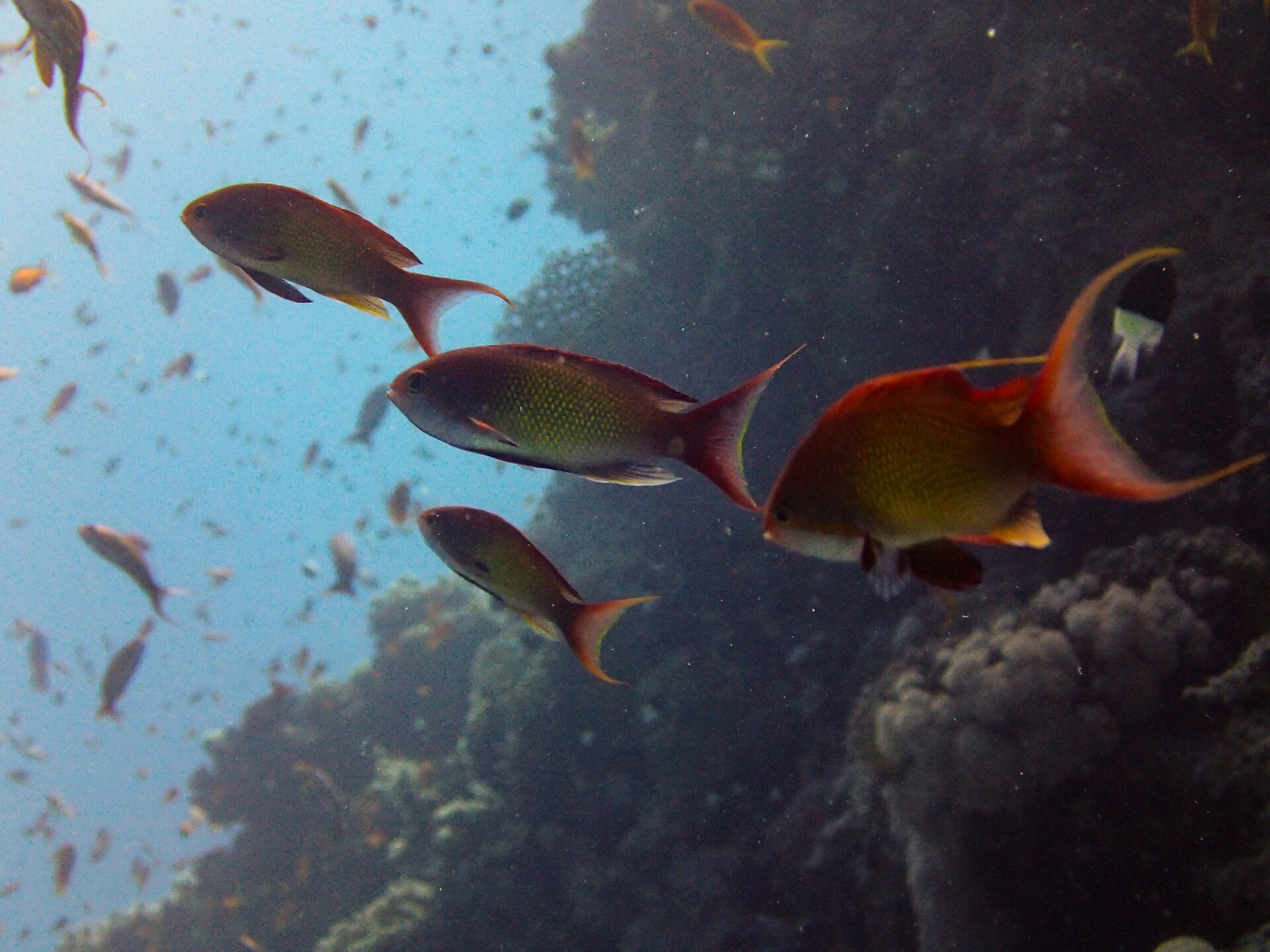
Gear choices are easier to make when you know what you are diving into. The Arabian Gulf is warm, shallow and full of life. Divers here regularly encounter Arabian angelfish, groupers, batfish, barracuda, parrotfish, cuttlefish, rays and green and hawksbill turtles around reefs and structure. Visibility is generally at its best in the cooler months, while warm summer water can bring plankton blooms that cloud the view and the occasional jellyfish, another reason a rash guard or thin suit is handy in peak summer.
Qatar has a special seasonal draw: from around April to September, one of the world's largest whale shark aggregations gathers offshore near the Al Shaheen field to feed on fish spawn. These are protected animals and access is tightly controlled through official providers, so encounters are managed carefully and respectfully rather than being a casual dive-site stop.
Ready to get in the water?
The beauty of warm Gulf diving is how little you need to start. Turn up in a swimsuit, bring a rash guard and, ideally, your own mask, and a good dive centre handles the rest. If you are brand new, a PADI course from Discover Scuba through to Open Water is the natural first step, and every course includes the equipment you need to learn safely. When you are ready to book a dive or sort out rental gear for the season, contact our teams in Dubai and Qatar and we will point you to the right kit for the conditions.